A laboratory for thinking thoughts…
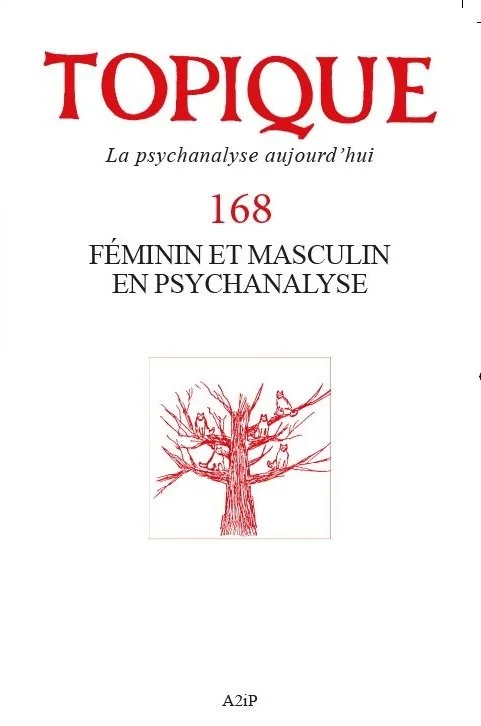
Juliet Mitchell : psychanalyse et féminisme.
Penser le féminin tel qu'il circule, se distribue et se refuse chez les femmes comme chez les hommes, et donc faire droit à ce que le féminin comporte de masculin, et réciproquement. C’est l’essence de l’œuvre de Juliet Mitchell que d’avoir permis une réflexion sur ces sujets. Nous proposons ici un résumé de notre article dans le dernier numéro de la revue Topique.
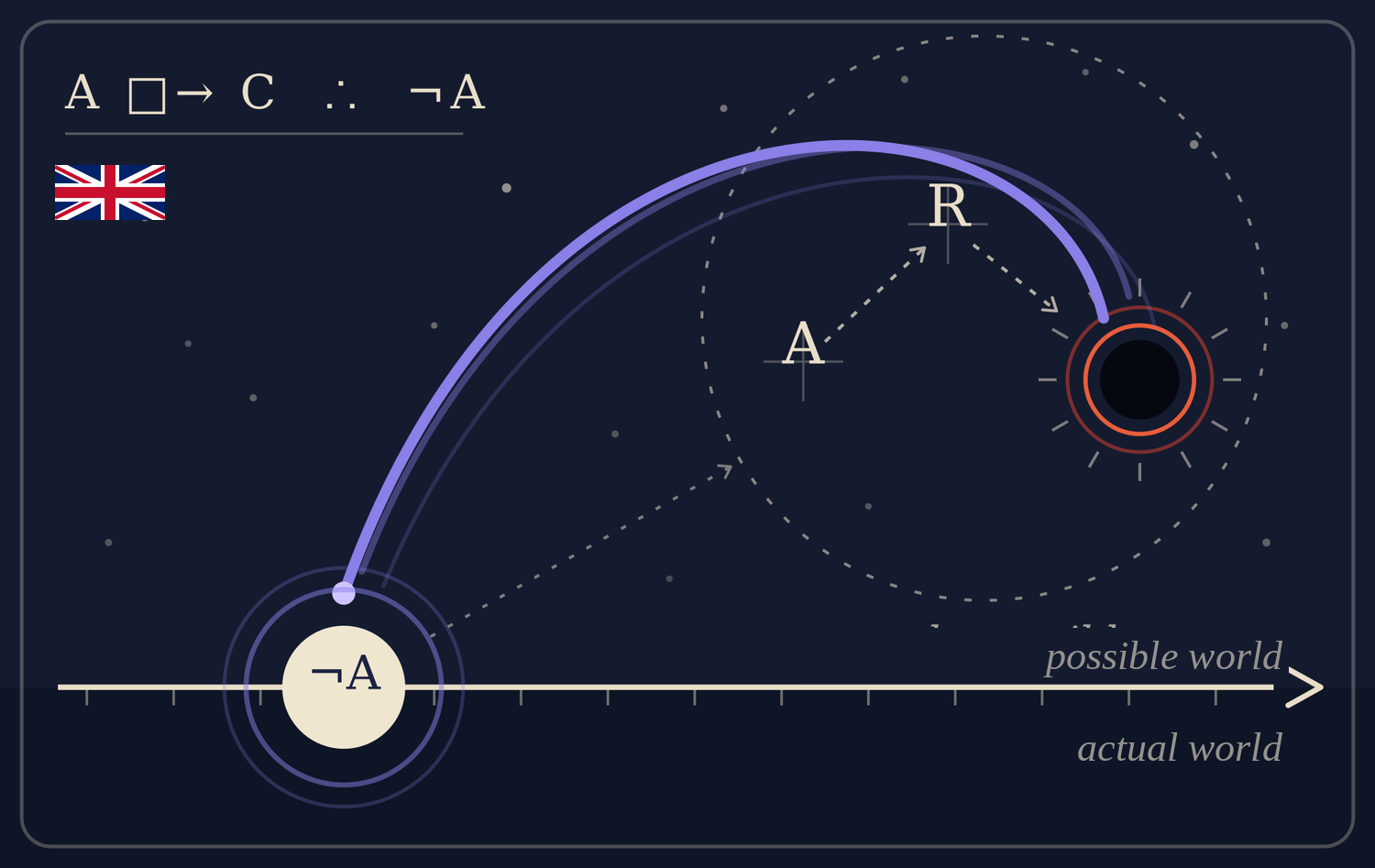
The Worlds We Have Already Destroyed
"If the only weapon that protects us functions entirely in an imaginary world, a world in which we would have pulled the trigger, what do we truly know about the solidity of that protection? This is a question no experiment can settle for us." Here we attempt to set out the theses of Jean-Pierre Dupuy, David Lewis, and Gregory Kavka on a complex subject: counterfactual propositions and their application to possible worlds.

L’infraliminaire technologique
Comment penser la menace du drone quand elle échappe à toute prise ? En reprenant le concept de supraliminaire forgé par Günther Anders et la théorie deleuzienne des sociétés de contrôle, cet article propose un nouveau concept — l'infraliminaire technologique — pour saisir la manière dont les drones saturent l'espace du Réel et l’espace du pensable.
Crédit photo : Walter Baxter / A murmuration of starlings at Gretna / CC BY-SA 2.0
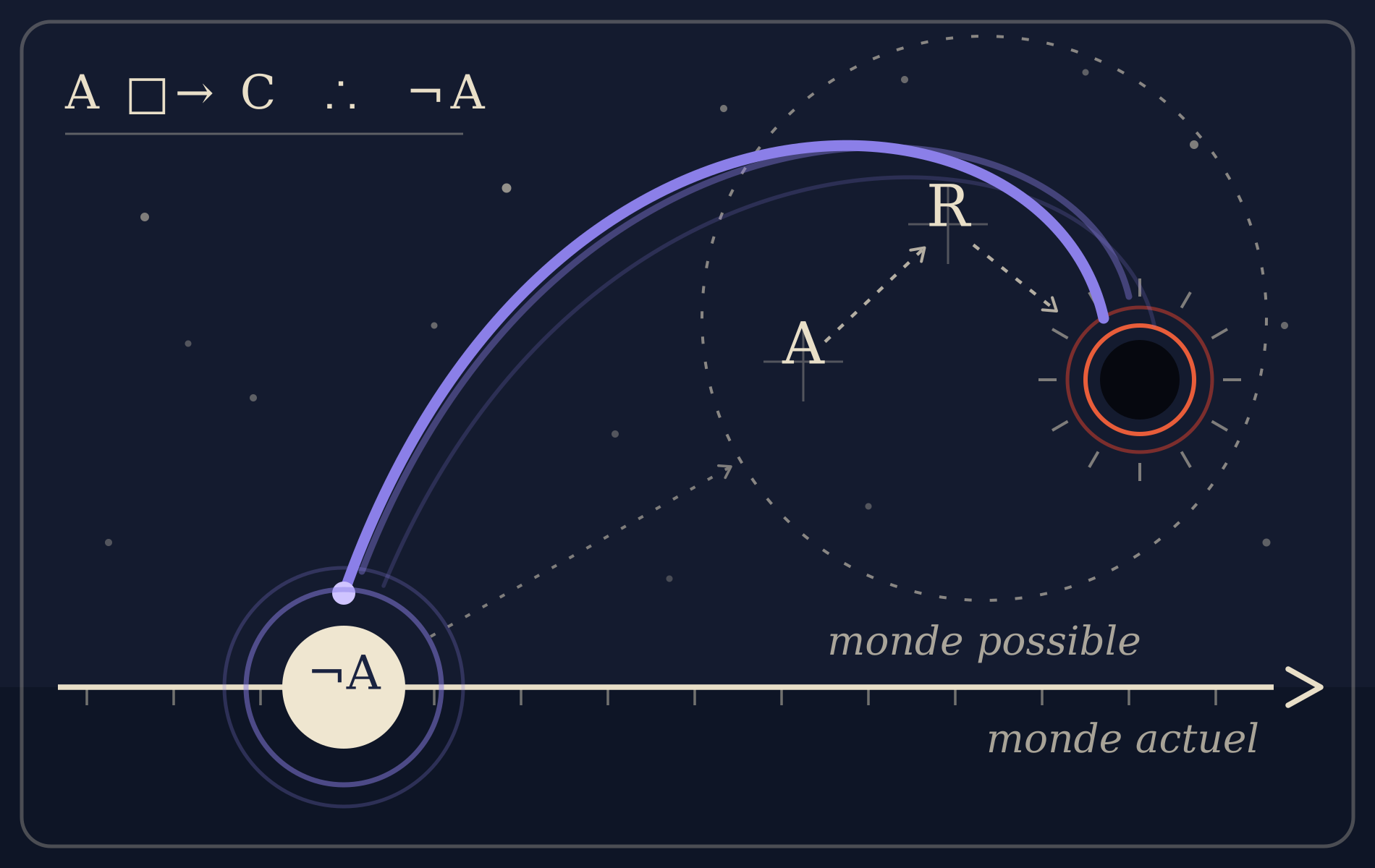
“Les Mondes que nous avons déjà détruits…”
“Si la seule arme qui nous protège fonctionne entièrement dans un monde imaginaire, un monde où nous aurions appuyé sur le bouton, que savons-nous vraiment de la solidité de cette protection ? Il s'agit d'une question que nous ne pouvons trancher par aucune expérience.” Nous tentons d’exposer ici les thèses de Jean-Pierre Dupuy, David Lewis et Gregory Kavka sur un sujet complexe : les énoncés contrefactuels et leur applications à des mondes possibles.
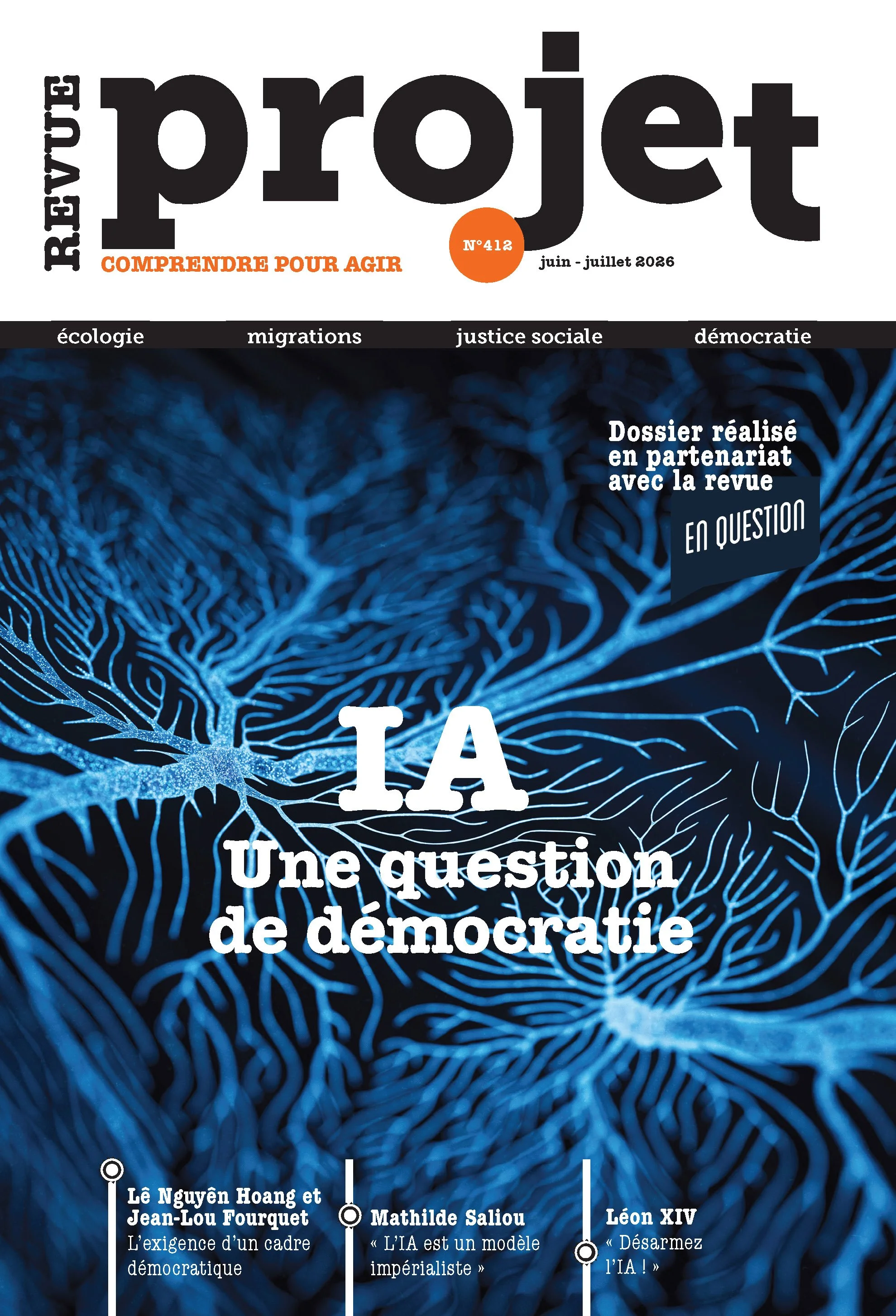
La honte de Prométhée Revue Projet
Là où la menace nucléaire était contenue par la complexité de sa fabrication – nombre restreint d’acteurs, infrastructure lourde et traçable, chaîne de commandement identifiable – le mal du drone est inoculé dans et par sa banalité. Pour autant, son maillage et sa nature restent changeants, fait technique dont beaucoup de pilotes témoignent : quelques composants remplacés, un firmware6 modifié, et l’appareil change de capacité sans changer d’apparence. La distance entre le drone civil et le drone armé n’est donc plus une différence de nature mais de degré. Ce n’est plus le complexe militaro-industriel que craignait déjà Eisenhower qui fabrique ces armes : c’est un écosystème ouvert, modulaire, proliférant, don la menace est, pour employer un terme que le phénomène appelle de lui-même, « ubérisable ». L’arme nucléaire ne permettra pas de dissuader l’usage malveillant du drone.

De l'Hêtre de l'Étang
Ce texte se propose un dépassement de l’hêtre par l’étang dans un projet de philosophie icthyique dont l’ampleur décrit un être-au-langage qui reste encore à définir. De ce manque à être provient peut-être la source de toute la philosophie de Martin Heidegger
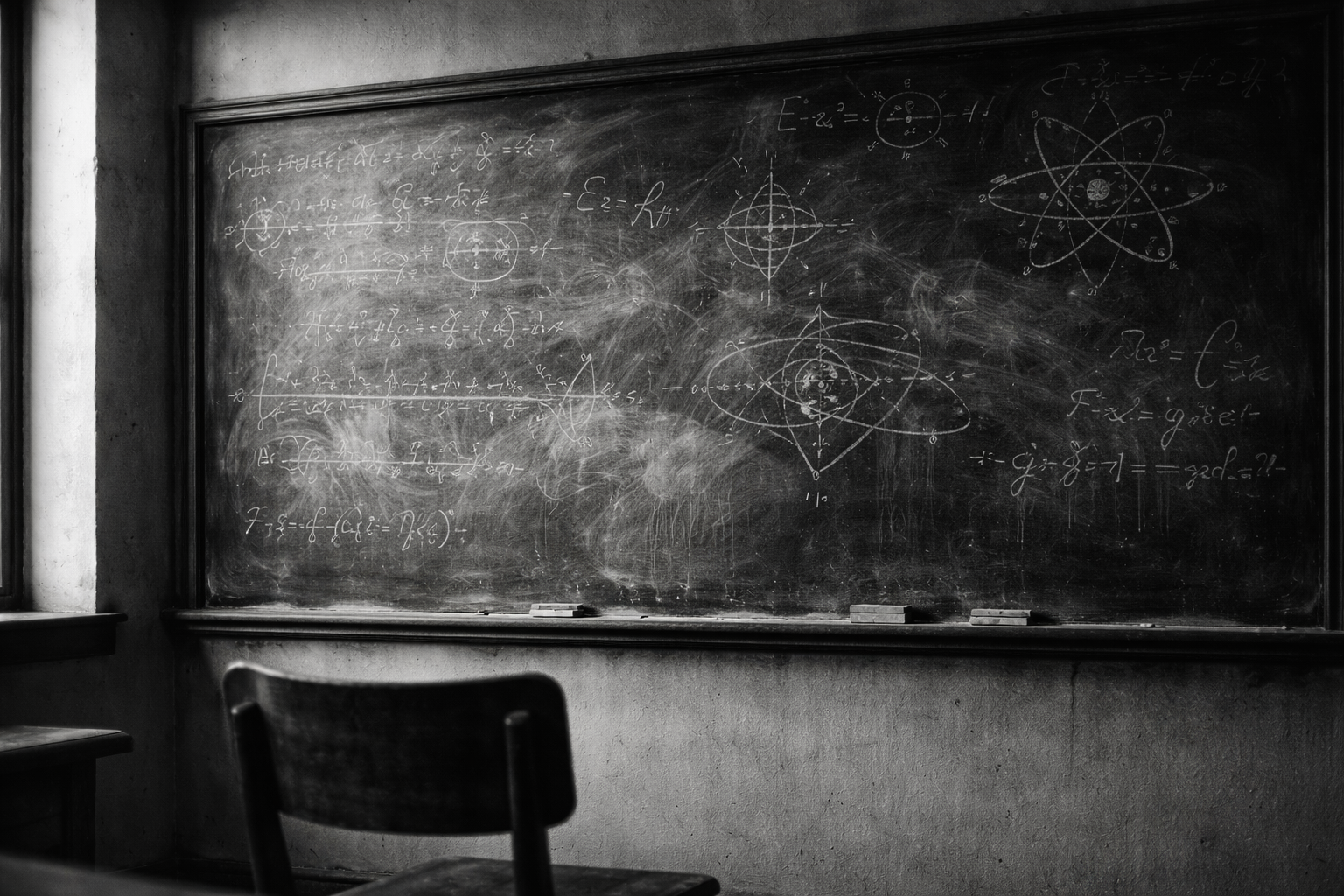
The Bomb That Never Was. Heisenberg and a Counterfactual World.
Why didn't Nazi Germany build the atomic bomb? From Nolan's Oppenheimer to the Farm Hall transcripts, an investigation into eighty years of unresolved debate while we are facing unprecedent ongoing wars.
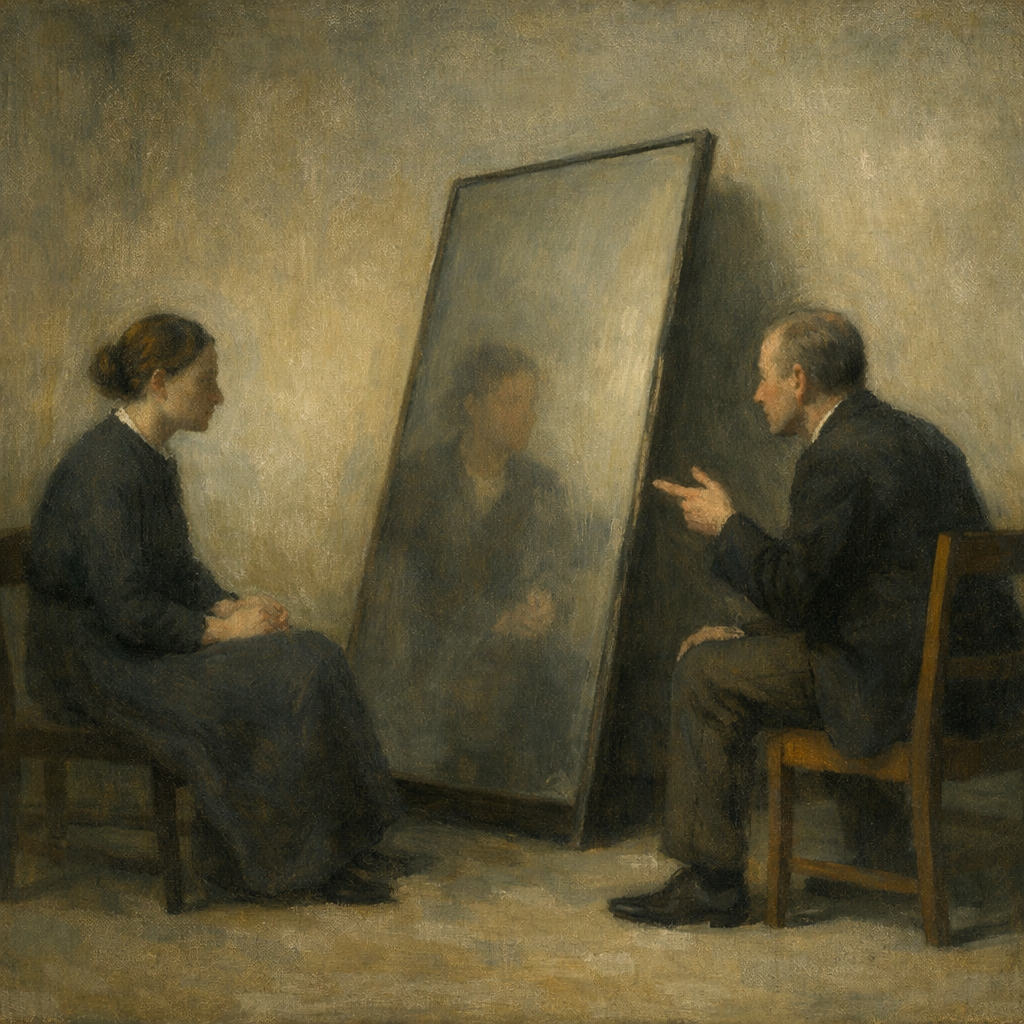
Philosophical Counseling and Its Impasse
The hunger for wisdom is real. Millions tune into podcasts seeking perspectives that inspire and elevate, asking the old questions: how should one live, face death, bear uncertainty. Philosophical counseling responds to this need, offering rational dialogue as an alternative to medicalization. But self-knowledge is not achieved through thinking alone. Here is a critique which reveals problems about the research of autonomy and how psychoanalysis process differently.

The Unconscious Without a Subject, or When AI fails to Stumble
Drawing on Freud's dream theory and Lacan's conception of the subject, Alenka Zupančič shows that AI realizes in caricatural form the post-structuralist dissolution of the subject in discourse, this small review reconstructs her theses and proposes some further exploration
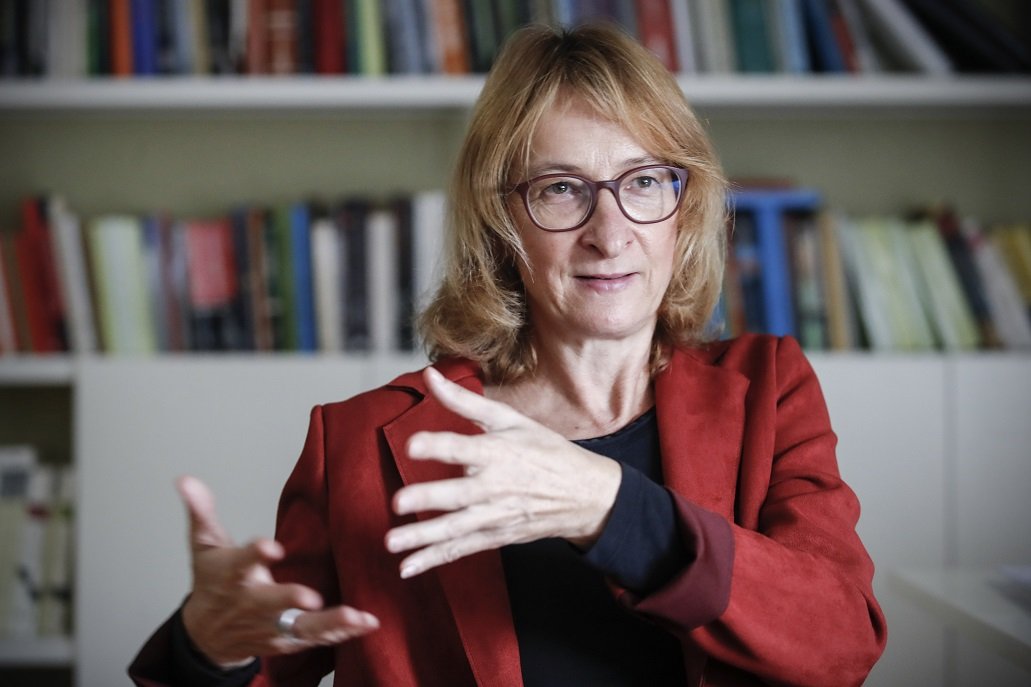
L’inconscient sans sujet, ou quand l’I.A. ne trébuche pas
Analyse des thèses d'Alenka Zupančič sur l'intelligence artificielle sous le scope de la psychanalyse lacanienne. Nous proposons aussi des pistes de réflexion.
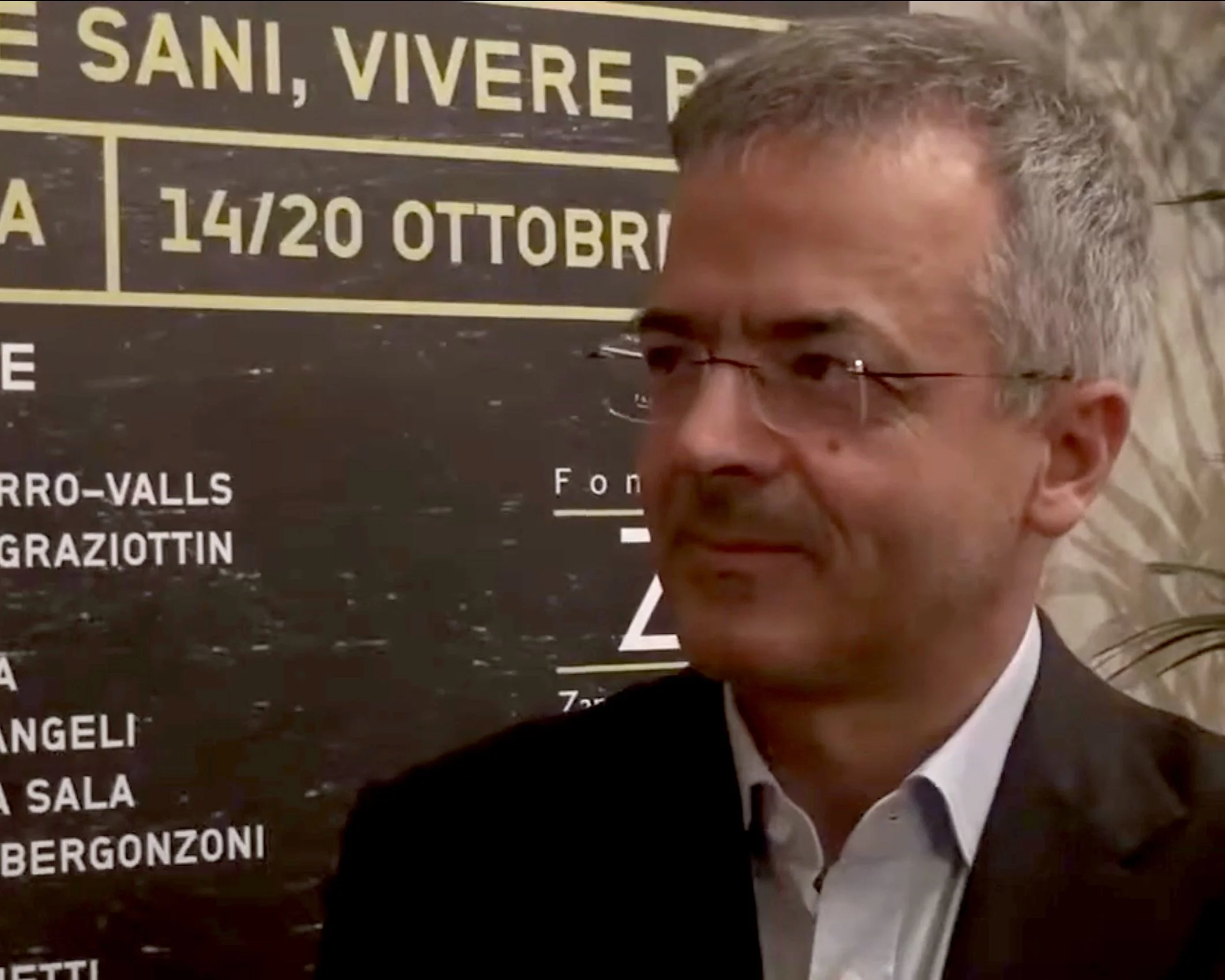
Understanding the Work of G. Civitarese
This essay surveys the work of Italian psychoanalyst Giuseppe Civitarese, one of the foremost figures of post-Bionian field theory. Drawing on his major publications — from The Violence of Emotions to Psychoanalytic Field Theory: A Contemporary Introduction — it traces his creative rereading of Bion, his collaboration with Antonino Ferro, and the conceptual axes that distinguish his contribution: the dream spectrum of the session, the aesthetic dimension of analytic experience, and a radical intersubjectivity that redefines the analytic field as a shared space of unconscious dreaming. The essay concludes with a dialectical examination of the constitutive tensions and open questions his work raises.

Judith Dupont (1925-2025) FR
Judith Dupont (1925–2025), dernière personne à avoir connu Sándor Ferenczi, a consacré plus d’un demi-siècle à sortir l’analyste hongrois de l’oubli. Liée à lui par sa famille — sa grand-mère fut sa patiente, sa tante épousa Michael Balint — elle a traduit en français l’ensemble de ses écrits, son journal clinique et sa correspondance avec Freud, faisant de la France le premier lieu de redécouverte de ce penseur longtemps marginalisé. Elle admirait chez Ferenczi son refus de l’autorité analytique, son empathie, son auto-questionnement constant et son absence de dogmatisme. Avant sa mort, elle a donné les archives Ferenczi au Freud Museum de Londres, clôturant symboliquement un chapitre tourmenté de l’histoire psychanalytique. Grâce à elle, Ferenczi est devenu un classique, sans orthodoxie, dans un dialogue toujours ouvert.
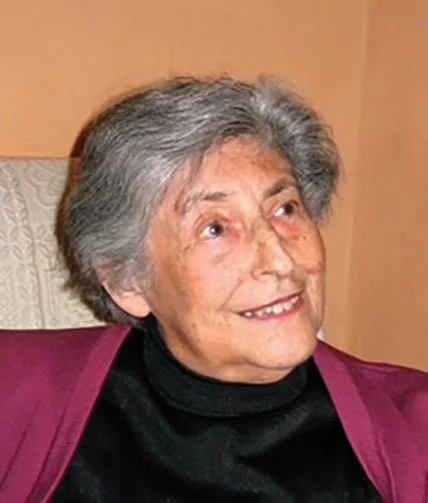
Judith Dupont (1925-2025)
Judith Dupont (1925–2025), the last person alive to have known Sándor Ferenczi, devoted over half a century to rescuing the Hungarian psychoanalyst's work from obscurity. Connected to Ferenczi through family ties—her grandmother was his patient, her aunt married Michael Balint—she methodically translated his complete works, clinical diary, and correspondence with Freud into French, making France the first country to rediscover this once-maligned thinker. What she most valued in Ferenczi was his rejection of analytic authority in favour of empathy, his permanent self-questioning, and his refusal to found a school or seek disciples. Before her death, she donated the Ferenczi archives to the Freud Museum in London, symbolically closing a turbulent chapter in psychoanalytic history. Thanks to her efforts, Ferenczi is now a classic—yet, true to his spirit, there is no Ferenczian orthodoxy, only ongoing dialogue.
You are Write !
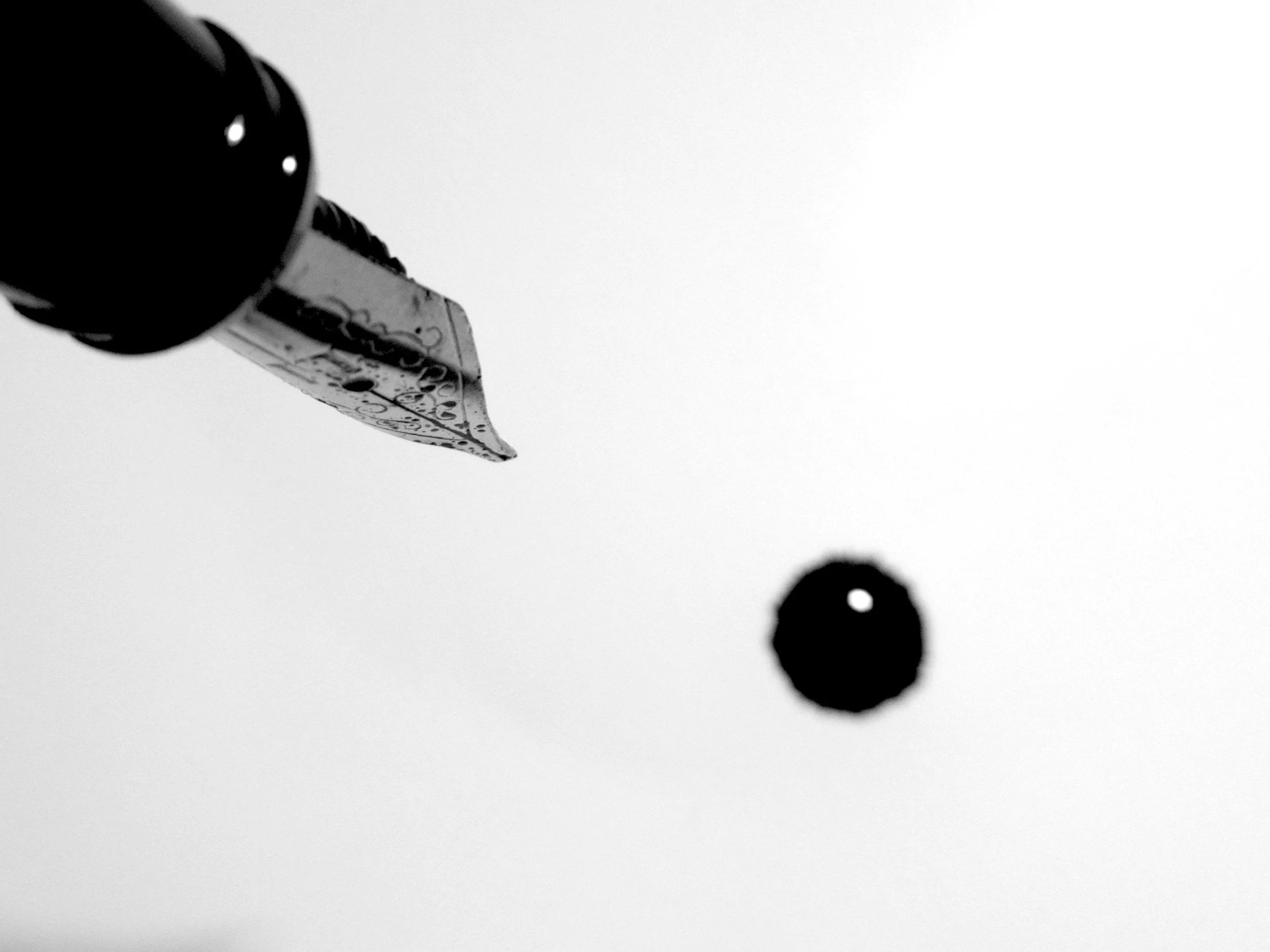
Inspired by W.R. Bion's "A Memoir of the Future," this polyphonic dialogue interrogates the status of writing in the algorithmic era. Drawing on psychoanalysis (Freud, Bion), deconstruction (Derrida), and the concept of kulturarbeit, it explores the blog as khôra: a receptacle that engenders without repeating. What does it mean to write when the epoch systematically demands the quantifiable in order to exist within algorithms? An inchoative echo of thought at its inception.